
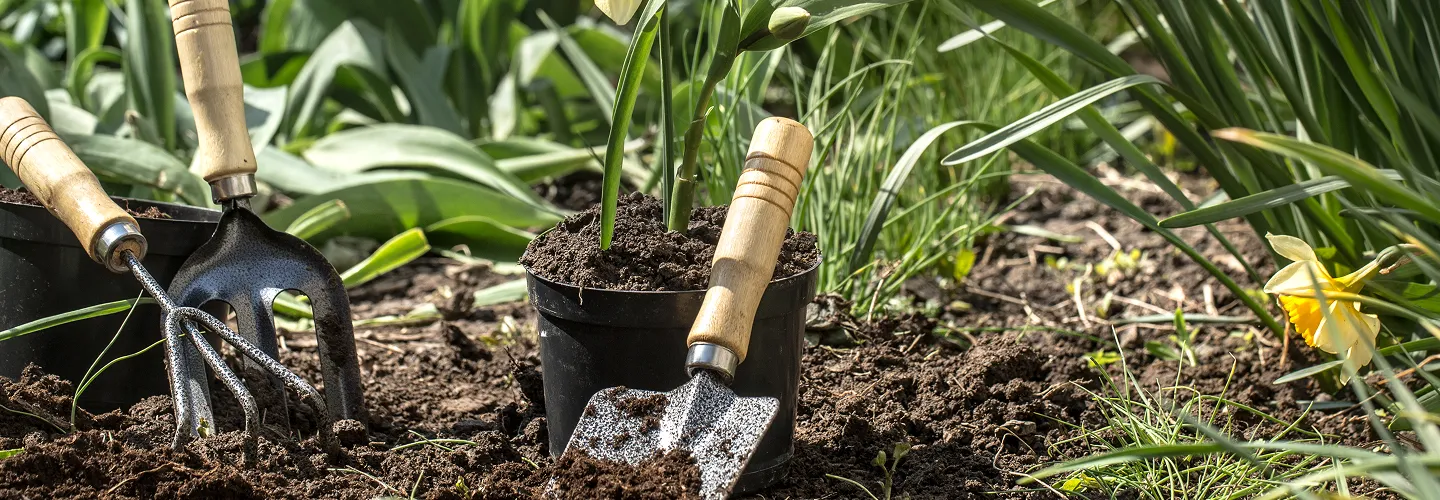
Kerrville Flower Planting Services
Choose our flower planting services for vibrant, healthy blooms that enhance your curb appeal and thrive in Kerrville’s unique climate—crafted by local experts who care about your garden’s lasting beauty.
Get a Free QuoteOur Kerrville Landscaping & Yard Care Services
When to Schedule Flower Planting in Kerrville, Texas – Seasonal Guide
In Kerrville, Texas, timing your flower planting is crucial for vibrant, long-lasting blooms. The region’s unique blend of Hill Country climate, with its mild winters and hot, dry summers, means that early spring and late fall are generally the best windows for planting most annuals and perennials. Local neighborhoods like Riverhill and Comanche Trace often see residents preparing their beds just after the last frost date, which typically falls in early March. This timing allows roots to establish before the intense summer heat sets in.
Environmental factors such as the risk of late spring frosts, periods of drought, and the area’s rocky, alkaline soils all play a role in determining the best planting schedule. Properties near the Guadalupe River may benefit from slightly higher humidity and richer soils, while homes in higher elevations or shaded lots, like those near Louise Hays Park, may need to adjust timing and plant selection accordingly. For more information on local planting guidelines and municipal considerations, visit the Sudbury town resources.
Local Factors to Consider for Flower Planting in Kerrville
- Proximity to the Guadalupe River and its effect on soil moisture
- Tree density and available shade in neighborhoods like Starkey Manor
- Typical frost dates and risk of late cold snaps
- Drought risk and local water restrictions
- Soil type—rocky, alkaline soils common in the Hill Country
- Terrain and drainage, especially on sloped lots
- Municipal guidelines for landscaping and irrigation
Benefits of Flower Planting in Kerrville
Expert Local Knowledge
Customized Landscape Designs
Seasonal Plant Selection
Enhanced Curb Appeal
Eco-Friendly Practices
Reliable Maintenance Services
Kerrville Flower Planting Types

Annual Flower Planting
Seasonal annuals provide vibrant color and variety throughout the year.
-
Perennial Flower Beds
Perennials offer long-lasting blooms and return year after year for lasting beauty.
-
Native Wildflower Gardens
Native wildflowers thrive in Kerrville’s climate and support local pollinators.
-
Shade Garden Planting
Shade-loving flowers create lush, colorful spaces under trees and in low-light areas.
-
Drought-Tolerant Flower Beds
Drought-resistant flowers conserve water while maintaining a beautiful landscape.
-
Butterfly and Pollinator Gardens
Specialized plantings attract butterflies, bees, and other beneficial pollinators.
-
Container Flower Arrangements
Versatile container plantings add color and interest to patios, decks, and entryways.
Our Flower Planting Process
Site Evaluation
Soil Preparation
Plant Selection
Careful Planting
Watering and Mulching
Why Choose Kerrville Landscape Services
-
Kerrville Homeowners Trust Us
-
Expert Lawn Maintenance
-
Reliable Scheduling
-
Competitive Pricing
-
Professional Team
-
Satisfaction Guarantee
-
Personalized Service
Soil Series and Drainage Considerations for Flower Planting in Kerrville
Kerrville’s landscape is defined by soils such as the Tarrant clay and Brackett gravelly clay loam, which are prevalent throughout the city according to the USDA Web Soil Survey. These soils are typically alkaline (pH 7.5-8.2) and can be shallow with moderate to low organic matter, affecting both drainage and nutrient availability for flower planting. Proper site preparation is essential, including the incorporation of 2-3 inches of compost tilled to a 6-inch depth to improve structure and water retention. Soil testing, available through Texas A&M AgriLife Extension, is recommended to determine amendment needs. Key soil management steps include:
- Compost incorporation: 2-3 inches tilled to 6-inch depth
- Lime application only if pH is below 6.0 (rare in Kerrville)
- Mulching to reduce evaporation and moderate soil temperature
Seasonal Timing and Climate Zone Guidance for Kerrville Flower Planting
Kerrville is located in USDA Hardiness Zone 8b, with average annual minimum temperatures of 15-20°F. The optimal window for planting most perennial and annual flowers is from March 1 to April 15, when soil temperatures reach 55°F and the risk of frost has passed. Fall planting is also feasible from September 15 to October 31, allowing roots to establish before winter. The National Weather Service Austin/San Antonio Office provides up-to-date local forecasts to guide timing. Timing recommendations include:
- Spring planting: March 1 – April 15 (soil temp ≥ 55°F)
- Fall planting: September 15 – October 31
- Avoid planting during peak summer (June-August) due to heat stress
Native and Drought-Tolerant Flower Species Selection for Kerrville Landscapes
Selecting species adapted to Kerrville’s climate and soils is critical for sustainable flower planting. Native and drought-tolerant options reduce irrigation needs and support local pollinators. Recommended species for full sun include:
- Black-eyed Susan (Rudbeckia hirta)
- Purple coneflower (Echinacea purpurea)
- Autumn sage (Salvia greggii)
- Mexican hat (Ratibida columnifera) For partial shade, consider:
- Turk’s cap (Malvaviscus arboreus)
- Cedar sage (Salvia roemeriana) Spacing should be 12-18 inches for annuals and 18-24 inches for perennials to ensure healthy growth and airflow. For further guidance, consult Texas A&M AgriLife Extension.
Municipal Coordination and Compliance for Flower Planting Projects in Kerrville
All flower planting activities in Kerrville must comply with local ordinances regarding property setbacks, right-of-way planting, and irrigation system installation. The city prohibits planting within 10 feet of fire hydrants and requires a 25-foot buffer from designated wetlands and drainage channels. Equipment operation is permitted:
- Monday-Friday: 7:00 AM – 7:00 PM
- Saturday: 8:00 AM – 6:00 PM
- Sunday and holidays: Prohibited Permit requirements may apply for large-scale landscape modifications or irrigation connections. For regulatory details and permit applications, coordinate with:
Kerrville Public Works Department
701 Main Street, Kerrville, TX 78028
Phone: (830) 257-8000
Official Website: Kerrville Public Works Department
The department provides guidance on setback requirements, right-of-way planting, and municipal code compliance.
Environmental Compliance: Stormwater, Buffer Zones, and State Regulations in Kerrville
Flower planting in Kerrville must adhere to stormwater management requirements under the Texas Water Code and the Clean Water Act. The city’s MS4 permit prohibits soil, mulch, or plant debris from entering storm drains. Maintain a 25-foot no-disturbance buffer from wetlands and waterways, and avoid fertilizer or pesticide application within 50 feet of the Guadalupe River or its tributaries. For environmental compliance, coordinate with:
Texas Commission on Environmental Quality (TCEQ)
12100 Park 35 Circle, Austin, TX 78753
Phone: (512) 239-1000
Official Website: Texas Commission on Environmental Quality
For federal guidance, refer to EPA Region 6.
What Neighborhoods Do We Serve Throughout Kerrville, TX?
- Riverhill: Features gently sloping lots with Brackett gravelly clay loam, requiring attention to drainage and soil amendment for successful flower beds.
- Comanche Trace: Newer development with expansive lots and moderate clay content; irrigation system compliance and buffer zones near golf course water features are key.
- Downtown Kerrville: Historic district with compacted urban soils and limited planting space; right-of-way and setback regulations are strictly enforced.
- Tally Elementary Area: Family neighborhoods with mature trees and partial shade, necessitating shade-tolerant species and careful root zone protection.
- Starkey Manor: Older homes with established landscapes and variable soil depth; frequent soil testing is recommended to address nutrient deficiencies.
- Greenwood Forest: Proximity to drainage channels and flood-prone areas requires strict adherence to buffer requirements and stormwater best practices.
- The Summit: Elevated lots with shallow, rocky soils and high sun exposure; drought-tolerant and native species are strongly advised.