
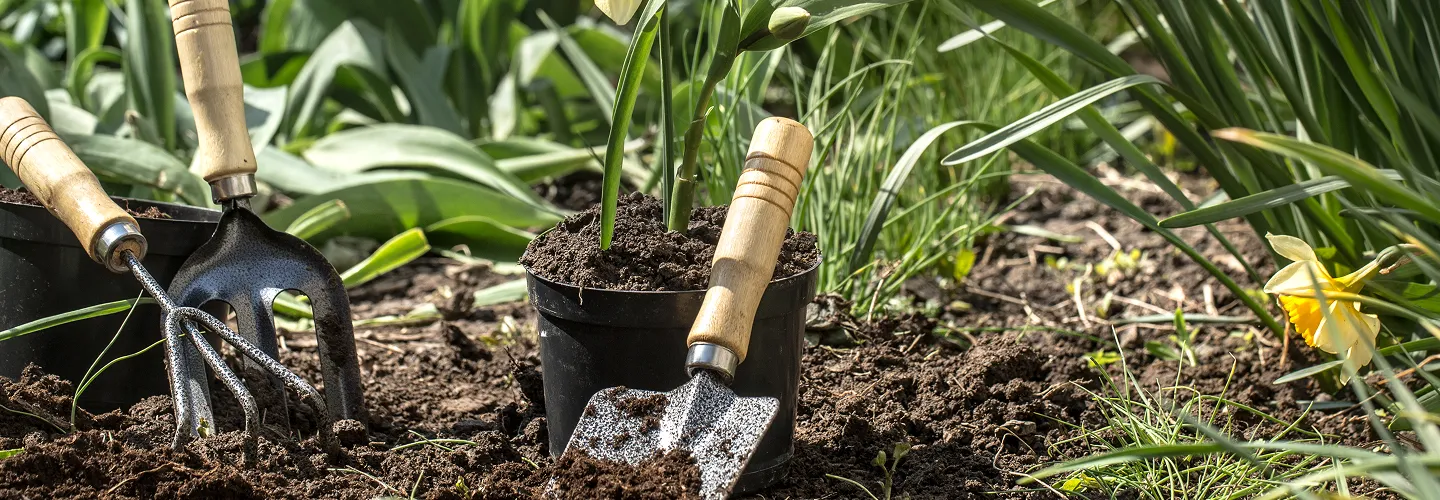
Kerrville Lawn Renovation Services
Choose our Lawn Renovation services for a lush, healthy yard—our experienced team uses proven techniques and premium materials to restore your lawn’s beauty and vitality, ensuring long-lasting results you’ll love.
Get a Free QuoteOur Kerrville Landscaping & Yard Care Services
When to Schedule Lawn Renovation in Kerrville, Texas – Seasonal Guide
In Kerrville, Texas, timing your lawn renovation is crucial for achieving a lush, healthy yard that thrives year-round. The optimal periods for lawn renovation typically fall in early spring and early fall, when temperatures are moderate and rainfall is more predictable. Kerrville’s climate, characterized by hot summers, mild winters, and occasional drought conditions, means that scheduling renovation outside of these windows can lead to increased stress on new grass and soil. Neighborhoods near Louise Hays Park and along the Guadalupe River often experience unique microclimates, with increased humidity and shade coverage from mature trees, which can influence the best timing for seeding or aeration.
Local environmental factors such as the last frost date—usually in late March—and the risk of summer droughts play a significant role in planning. Soil types in Kerrville, ranging from rocky limestone to rich alluvial deposits, also affect how and when to renovate. Homeowners in areas like Comanche Trace or near Schreiner University should consider these variables, as well as any municipal watering restrictions, before starting a project. For more information on local guidelines and resources, visit the official municipal site.
Local Factors to Consider for Lawn Renovation in Kerrville
- Tree density and shade coverage, especially in established neighborhoods
- Terrain and soil composition, from rocky hillsides to riverbanks
- Seasonal precipitation patterns and drought risk
- Frost dates and temperature fluctuations
- Municipal restrictions on watering and landscaping
- Proximity to landmarks like Louise Hays Park or the Guadalupe River
Benefits of Lawn Renovation in Kerrville
Expert Local Knowledge
Customized Landscaping Solutions
Efficient Project Completion
Eco-Friendly Lawn Practices
Comprehensive Maintenance Plans
Enhanced Curb Appeal

Kerrville Lawn Renovation Types

Sod Installation
-
Hydroseeding
-
Soil Aeration
-
Overseeding
-
Topdressing
-
Weed Removal
-
Grading and Leveling
Our Lawn Renovation Process
Site Evaluation
Soil Preparation
Seeding or Sodding
Watering and Fertilization
Ongoing Maintenance
Why Choose Kerrville Landscape Services
-
Kerrville Homeowners Trust Us
-
Expert Lawn Maintenance
-
Reliable Scheduling
-
Competitive Pricing
-
Professional Team
-
Satisfaction Guarantee
-
Personalized Service
Soil Series and Drainage Considerations for Lawn Renovation in Kerrville
Kerrville’s landscape is defined by shallow, rocky soils such as the Tarrant and Brackett series, with areas of Houston Black clay and limestone-derived Mollisols. These soils typically exhibit moderate to poor drainage and alkaline pH levels (7.5–8.2), which directly impact turf establishment and renovation outcomes. Core aeration to a depth of 2–3 inches is recommended for compacted clay areas, while compost incorporation (2–3 inches tilled to 6-inch depth) can improve structure and water infiltration. Soil testing through Texas A&M AgriLife Extension (15–25 cost) is advised to determine amendment needs. Avoid overwatering, as shallow soils are prone to runoff and erosion, especially on slopes near the Guadalupe River. For detailed soil mapping, consult the USDA Web Soil Survey.
Kerrville Public Works Department
701 Main Street, Kerrville, TX 78028
Phone: (830) 257-8000
Official Website: Kerrville Public Works Department
Seasonal Timing and Climate Zone Guidance for Kerrville Lawn Renovation
Kerrville is located in USDA Hardiness Zone 8b, with average annual minimum temperatures of 15–20°F and a growing season from mid-March through early November. Optimal lawn renovation windows are:
- Spring seeding: April 1 – May 15 (soil temp 60–70°F)
- Fall seeding: September 1 – October 15 (soil temp 65–75°F)
- Avoid June–August due to heat stress and drought risk Monitor local weather forecasts via the National Weather Service Austin/San Antonio Office to avoid renovation during heavy rainfall or drought advisories. For cool-season grasses, target soil temperatures above 55°F; for warm-season turf, wait until consistent nighttime lows exceed 60°F. Frequent irrigation may be restricted during drought declarations, so always verify current water use guidelines with the city.
Municipal Ordinances and Equipment Operation Standards for Kerrville Lawn Projects
Lawn renovation activities in Kerrville must comply with city noise ordinances and property maintenance codes. Equipment operation is permitted:
- Monday–Friday: 7:00 AM – 7:00 PM
- Saturday: 8:00 AM – 6:00 PM
- Sunday and holidays: Prohibited All power equipment must be maintained with functional mufflers, and noise levels should not exceed 85 decibels at property lines. Debris generated during renovation (sod, soil, clippings) must be disposed of according to city guidelines—use biodegradable bags or 32-gallon containers for curbside pickup on Thursdays, April through November. Plastic bags and branches over 4 inches in diameter are prohibited. For ordinance details and collection schedules, refer to the city’s code enforcement division.
Kerrville Code Enforcement Division
701 Main Street, Kerrville, TX 78028
Phone: (830) 258-1187
Official Website: Kerrville Code Enforcement Division
Environmental Compliance: Stormwater, Buffer Zones, and State Regulations in Kerrville
Lawn renovation in Kerrville must adhere to local and state environmental regulations to protect the Guadalupe River, Town Creek, and associated wetlands. The city’s MS4 permit, administered under the Clean Water Act, prohibits discharge of soil, clippings, or chemicals into storm drains. Maintain a 25-foot no-disturbance buffer from wetlands and a 50-foot setback from water bodies for fertilizer or pesticide application. The Texas Commission on Environmental Quality (TCEQ) enforces the Texas Water Code and oversees stormwater compliance. Use only licensed applicators for restricted-use chemicals and avoid fertilizer application before forecasted rain. For further guidance, consult the city’s water reclamation department.
Kerrville Water Reclamation Department
701 Main Street, Kerrville, TX 78028
Phone: (830) 258-1155
Official Website: Kerrville Water Reclamation Department
Texas Commission on Environmental Quality (TCEQ)
12100 Park 35 Circle, Austin, TX 78753
Phone: (512) 239-1000
Official Website: Texas Commission on Environmental Quality
What Neighborhoods Do We Serve Throughout Kerrville, TX?
- Riverhill: Characterized by sloped lots and shallow, rocky soils, requiring erosion control and careful drainage management during renovation.
- Comanche Trace: Features newer developments with expansive lawns, moderate clay content, and HOA landscaping standards that may affect renovation timing and methods.
- Downtown Kerrville: Historic district with compacted urban soils, mature trees, and narrow access points, necessitating specialized equipment and adherence to city noise ordinances.
- Tally Elementary Area: Residential zone with moderate tree cover and variable soil pH, often requiring lime or sulfur amendments based on soil test results.
- Starkey Manor: Older neighborhood with established turf, heavy shade, and occasional drainage issues, making core aeration and overseeding essential.
- Greenwood Forest: Proximity to Town Creek and floodplain areas demands strict compliance with buffer zone regulations and stormwater best practices.
- Bluebell Hills: Elevated lots with limestone outcrops and thin topsoil, requiring compost incorporation and drought-tolerant turf species for successful renovation.